The Role of Quality Control Services in Manufacturing Quality Assurance
In the manufacturing industry, ensuring that products meet specific standards is crucial for success. Manufacturing quality assurance plays a vital role in maintaining product consistency, safety, and customer satisfaction. Without proper quality control, manufacturers risk producing defective goods, which can lead to costly recalls, damaged reputations, and lost business opportunities. This article explores the importance of quality control in manufacturing, the processes involved, and how businesses can implement effective strategies to enhance their production outcomes.
Understanding Manufacturing Quality Assurance
Manufacturing quality assurance refers to the systematic processes and procedures used to ensure that products meet predefined quality standards. It encompasses every stage of production, from raw material inspection to final product testing. The goal is to prevent defects and ensure that the final product performs as intended.
Quality assurance is not just about catching errors after they occur; it is about building quality into the manufacturing process itself. This proactive approach helps reduce waste, improve efficiency, and increase customer trust. For example, an automotive manufacturer might implement rigorous testing protocols to ensure that every vehicle component meets safety standards before assembly.
Key Elements of Manufacturing Quality Assurance
Process Control: Monitoring and controlling production processes to maintain consistent quality.
Standard Operating Procedures (SOPs): Detailed instructions to ensure tasks are performed correctly.
Training and Development: Educating employees on quality standards and best practices.
Continuous Improvement: Using data and feedback to refine processes and prevent future defects.

The Importance of Manufacturing Quality Assurance
Manufacturing quality assurance is essential for several reasons:
Customer Satisfaction: High-quality products meet or exceed customer expectations, leading to repeat business and positive reviews.
Cost Reduction: Identifying defects early reduces waste and the need for costly rework or recalls.
Regulatory Compliance: Many industries have strict regulations that require adherence to quality standards.
Brand Reputation: Consistently delivering quality products strengthens brand credibility and market position.
Operational Efficiency: Streamlined processes reduce downtime and improve productivity.
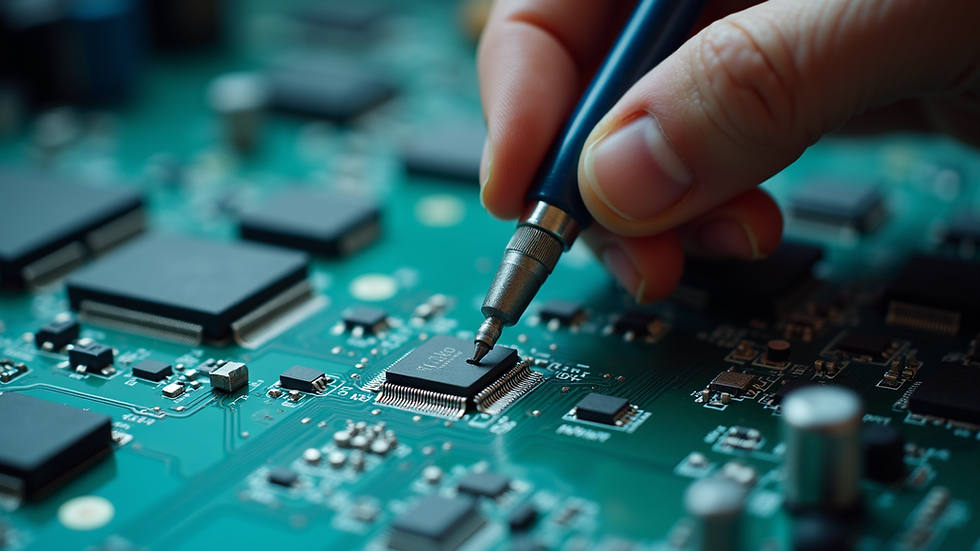
For instance, in the electronics industry, a single faulty component can cause an entire device to malfunction. Implementing quality assurance measures helps detect such issues early, preventing defective products from reaching consumers.
What are the 4 types of quality control?
Quality control in manufacturing can be categorized into four main types, each serving a specific purpose in the production process:
1. Incoming Quality Control (IQC)
This type focuses on inspecting raw materials and components before they enter the production line. IQC ensures that only materials meeting quality standards are used, preventing defects caused by substandard inputs.
2. In-Process Quality Control (IPQC)
IPQC involves monitoring and testing products during the manufacturing process. This real-time inspection helps identify and correct issues before the product is completed, reducing waste and rework.
3. Final Quality Control (FQC)
FQC is the inspection of finished products before they are shipped to customers. It verifies that the product meets all specifications and is free from defects.
4. Statistical Process Control (SPC)
SPC uses statistical methods to monitor and control production processes. By analyzing data trends, manufacturers can detect variations and take corrective actions proactively.
Each type of quality control plays a critical role in ensuring that the final product is reliable and meets customer expectations.
Implementing Effective Quality Control Strategies
To maximize the benefits of manufacturing quality assurance, companies should adopt comprehensive quality control strategies. Here are some actionable recommendations:
Develop Clear Quality Standards
Establish measurable quality criteria for every product and process. These standards should be based on customer requirements, industry regulations, and best practices.
Invest in Training and Technology
Equip employees with the necessary skills and tools to perform quality inspections accurately. Advanced technologies like automated inspection systems and data analytics can enhance precision and efficiency.
Use Data-Driven Decision Making
Collect and analyze quality data regularly to identify trends and areas for improvement. Implementing a feedback loop helps in continuous process optimization.
Foster a Quality Culture
Encourage all employees to take ownership of quality. Promote open communication and reward initiatives that contribute to quality improvements.
Partner with Reliable Quality Control Services
Outsourcing certain quality control functions to specialized providers can bring expertise and objectivity. For example, working with quality control services can help manufacturers access advanced testing facilities and industry knowledge.
Future Trends in Manufacturing Quality Assurance
The manufacturing landscape is evolving rapidly, and quality assurance is adapting to new challenges and technologies. Some emerging trends include:
Artificial Intelligence and Machine Learning: AI-powered systems can predict defects and optimize processes in real-time.
Internet of Things (IoT): Connected devices enable continuous monitoring of equipment and product quality.
Sustainability Focus: Quality assurance now also considers environmental impact and resource efficiency.
Customization and Flexibility: Quality systems are becoming more agile to accommodate personalized products and shorter production runs.
By staying ahead of these trends, manufacturers can maintain high standards and remain competitive in a dynamic market.
Enhancing Manufacturing Quality Assurance for Long-Term Success
Manufacturing quality assurance is not a one-time effort but an ongoing commitment. By integrating robust quality control measures into every stage of production, companies can deliver superior products that satisfy customers and comply with regulations. This approach reduces costs, minimizes risks, and builds a strong brand reputation.
Investing in training, technology, and partnerships with expert quality control services will empower manufacturers to meet the challenges of today and tomorrow. Ultimately, quality assurance is a key driver of operational excellence and business growth in the manufacturing sector.


Comments