High-Precision Machining Techniques: Unlocking the Future of Manufacturing
- Linda Nguyen
- 2 days ago
- 4 min read
In the world of manufacturing, precision is everything. The demand for components with exact dimensions and flawless finishes has never been higher. This is where high-precision machining techniques come into play. These methods allow manufacturers to create parts that meet stringent specifications, ensuring reliability and performance in various industries such as aerospace, automotive, medical devices, and electronics.
High-precision machining involves the use of advanced tools and processes to achieve tight tolerances and superior surface quality. This article explores the most effective techniques, their benefits, and practical applications. Whether you are a manufacturer looking to improve your production or an engineer seeking to understand the latest machining trends, this guide will provide valuable insights.
Understanding High-Precision Machining Techniques
High-precision machining refers to processes that produce parts with extremely tight dimensional tolerances, often in the micron range. These techniques require specialized equipment, skilled operators, and careful process control. Some of the most common high-precision machining techniques include:
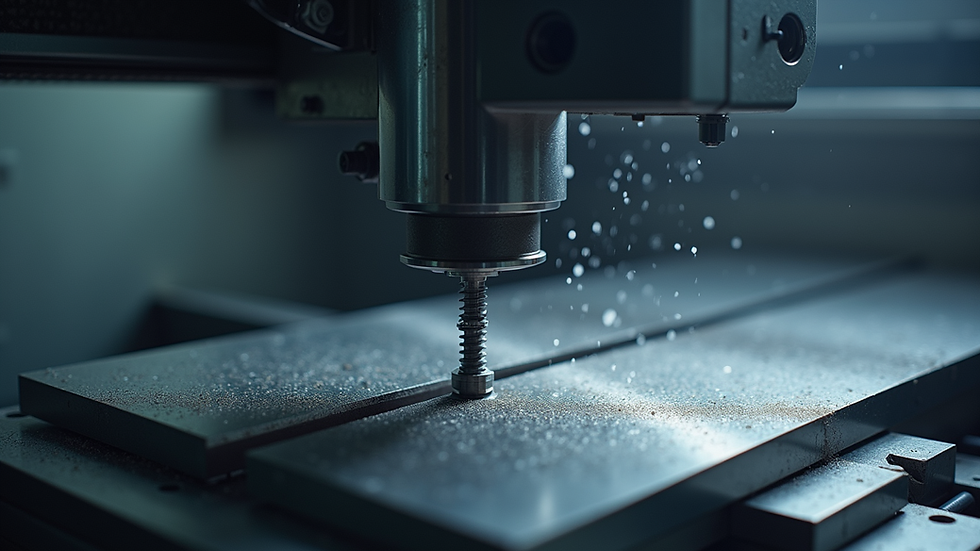
1. CNC Machining
Computer Numerical Control (CNC) machining is the backbone of modern precision manufacturing. CNC machines use computer programs to control cutting tools with high accuracy. This allows for complex shapes and fine details to be produced consistently.
Advantages: High repeatability, reduced human error, and the ability to produce complex geometries.
Applications: Aerospace components, medical implants, and precision automotive parts.
2. Electrical Discharge Machining (EDM)
EDM uses electrical sparks to erode material from a workpiece. It is ideal for machining hard metals and intricate shapes that are difficult to achieve with traditional cutting tools.
Advantages: Ability to machine hard materials, no mechanical stress on the part, and excellent surface finish.
Applications: Mold making, aerospace parts, and micro-machining.
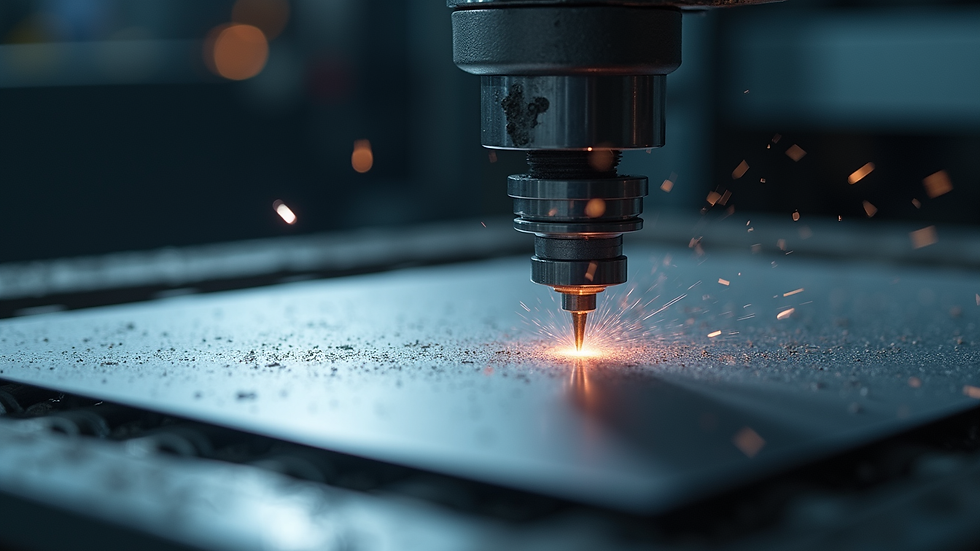
3. Laser Machining
Laser machining employs a focused laser beam to cut or engrave materials with extreme precision. It is highly versatile and can be used on metals, plastics, and ceramics.
Advantages: Non-contact process, minimal heat-affected zone, and high precision.
Applications: Electronics manufacturing, medical device fabrication, and fine engraving.
4. Ultrasonic Machining
This technique uses high-frequency vibrations combined with abrasive slurry to remove material. It is particularly useful for brittle materials like glass and ceramics.
Advantages: No thermal damage, ability to machine hard and brittle materials, and fine surface finish.
Applications: Semiconductor industry, glass components, and precision tooling.

Benefits of High-Precision Machining Techniques
Implementing high-precision machining techniques offers numerous advantages that can significantly impact product quality and manufacturing efficiency.
Enhanced Product Quality
Precision machining ensures that parts meet exact specifications, reducing the risk of defects and failures. This is critical in industries where safety and reliability are paramount, such as aerospace and medical devices.
Cost Efficiency Over Time
While the initial investment in advanced machinery and training can be high, the long-term benefits include reduced material waste, fewer reworks, and lower scrap rates. This leads to overall cost savings.
Increased Production Speed
Automated and computer-controlled machining processes can operate continuously with minimal supervision. This increases throughput and shortens lead times without compromising quality.
Flexibility and Customization
High-precision machining allows for the production of complex and customized parts. This flexibility is essential for prototyping and small-batch manufacturing where unique specifications are required.
Sustainability
By minimizing waste and optimizing material usage, precision machining contributes to more sustainable manufacturing practices.
Materials Commonly Used in High-Precision Machining
The choice of material plays a crucial role in the machining process. High-precision machining techniques are compatible with a wide range of materials, including:
Metals: Stainless steel, titanium, aluminum, brass, and copper.
Plastics: PEEK, PTFE, polycarbonate, and acrylic.
Ceramics: Alumina, zirconia, and silicon carbide.
Composites: Carbon fiber reinforced polymers and glass fiber composites.
Each material presents unique challenges and requires specific tooling and process parameters to achieve the desired precision.
Practical Recommendations for Implementing High-Precision Machining
To maximize the benefits of high-precision machining, consider the following actionable recommendations:
Invest in Quality Equipment
Choose machines with high rigidity, precision controls, and advanced software capabilities.
Train Skilled Operators
Ensure that operators understand the nuances of precision machining and can troubleshoot issues effectively.
Use Proper Tooling
Select cutting tools designed for the specific material and machining process to improve tool life and surface finish.
Implement Process Monitoring
Use sensors and software to monitor machining parameters in real-time, allowing for immediate adjustments.
Maintain Equipment Regularly
Regular maintenance prevents machine wear and ensures consistent performance.
Optimize Workholding
Secure the workpiece firmly to prevent vibrations and movement during machining.
Control Environmental Factors
Maintain stable temperature and humidity in the machining area to reduce thermal expansion and dimensional variations.
Future Trends in High-Precision Machining
The field of precision machining is continuously evolving with technological advancements. Some emerging trends include:
Integration of Artificial Intelligence (AI)
AI-driven systems can optimize machining parameters and predict tool wear, enhancing efficiency.
Additive and Subtractive Hybrid Manufacturing
Combining 3D printing with precision machining allows for complex part creation with minimal post-processing.
Nano-Machining
Techniques that enable machining at the nanometer scale are opening new possibilities in electronics and biotechnology.
Sustainable Machining Practices
Development of eco-friendly coolants and energy-efficient machines supports green manufacturing goals.
By staying informed about these trends, manufacturers can maintain a competitive edge and meet future demands.
Embracing the Power of Advanced Precision Machining
The adoption of advanced precision machining techniques is transforming manufacturing across industries. These methods provide unparalleled accuracy, efficiency, and flexibility, enabling the production of high-quality components that meet the most demanding standards.
By understanding the various techniques, their benefits, and practical implementation strategies, businesses can enhance their manufacturing capabilities and deliver superior products. Whether it is through CNC machining, EDM, laser machining, or ultrasonic methods, precision machining is a critical driver of innovation and quality in modern production.
Investing in these technologies today paves the way for a future where manufacturing is faster, smarter, and more precise than ever before.


Comments