High-Precision Machining Techniques: Unlocking the Future of Manufacturing
- Linda Nguyen
- 1 day ago
- 3 min read
In the world of manufacturing, precision is everything. The demand for components with exact dimensions and flawless finishes has never been higher. This is where high-precision machining techniques come into play. These methods allow manufacturers to create parts that meet stringent specifications, ensuring reliability and performance in critical applications. From aerospace to medical devices, the impact of these techniques is profound.
Understanding the fundamentals of high-precision machining is essential for anyone involved in manufacturing or engineering. This article explores the most effective techniques, their benefits, and practical insights to help you leverage these technologies for superior results.
Exploring High-Precision Machining Techniques
High-precision machining involves processes that achieve extremely tight tolerances and superior surface finishes. These techniques often require advanced equipment, skilled operators, and meticulous quality control. Here are some of the most widely used methods:
1. CNC Machining
Computer Numerical Control (CNC) machining is the backbone of modern precision manufacturing. It uses computer programs to control machine tools such as mills, lathes, and routers. CNC machines can produce complex shapes with high repeatability and accuracy.
Example: Aerospace companies use CNC machining to manufacture turbine blades with tolerances as tight as a few microns.
Recommendation: Invest in CNC machines with multi-axis capabilities to handle complex geometries efficiently.
2. Electrical Discharge Machining (EDM)
EDM is a non-traditional machining process that removes material using electrical discharges or sparks. It is ideal for hard metals and intricate shapes that are difficult to machine with conventional methods.
Example: EDM is commonly used to create molds and dies with intricate details.
Recommendation: Use EDM for parts requiring sharp corners and fine features that conventional machining cannot achieve.
3. Laser Machining
Laser machining uses a focused laser beam to cut or engrave materials with extreme precision. It is highly effective for thin materials and micro-machining applications.
Example: Medical device manufacturers use laser machining to create tiny, precise components such as stents.
Recommendation: Choose laser machining for applications requiring minimal thermal distortion and high edge quality.
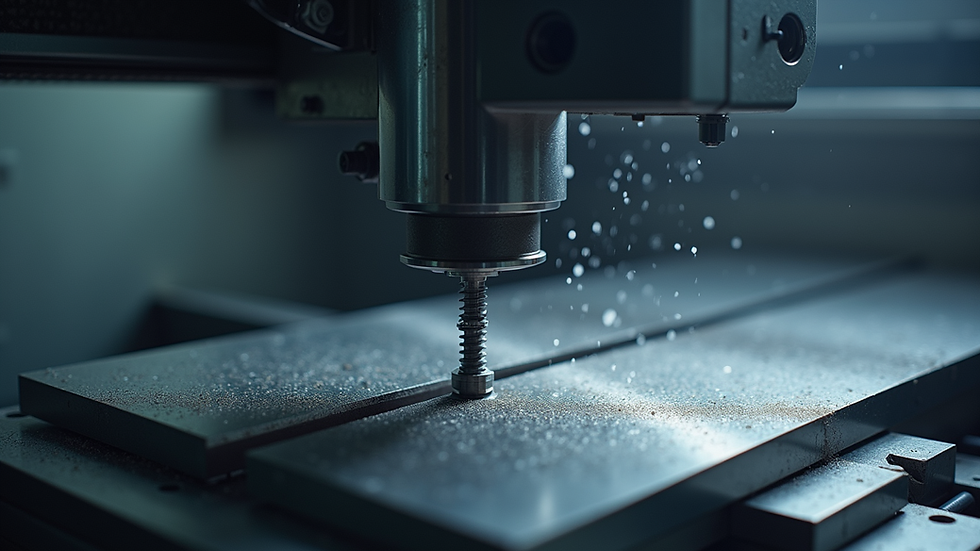
Benefits of High-Precision Machining Techniques
Adopting high-precision machining techniques offers numerous advantages that can transform manufacturing processes and product quality.
Enhanced Accuracy and Consistency
Precision machining ensures that every part produced meets exact specifications. This reduces variability and improves product reliability.
Example: Automotive manufacturers rely on precision machining to produce engine components that fit perfectly, enhancing performance and fuel efficiency.
Reduced Material Waste
By machining parts accurately the first time, manufacturers minimize scrap and rework, leading to cost savings and environmental benefits.
Example: Aerospace parts often use expensive materials like titanium; precision machining helps conserve these costly resources.
Improved Surface Finish
High-precision techniques produce smoother surfaces, which can improve part performance, reduce friction, and extend component life.
Example: Bearings and gears benefit from superior surface finishes to reduce wear and noise.
Faster Production Times
Advanced machines and optimized processes enable faster cycle times without compromising quality.
Example: Multi-axis CNC machines can complete complex parts in fewer setups, speeding up production.
Key Considerations for Implementing High-Precision Machining
Successfully integrating these techniques requires careful planning and attention to several factors.
Machine Selection and Maintenance
Choosing the right equipment is critical. Machines must be capable of maintaining tight tolerances and require regular calibration and maintenance.
Tip: Partner with reputable machine manufacturers and schedule routine maintenance to avoid downtime.
Skilled Workforce
Operators and programmers need specialized training to maximize the capabilities of precision machines.
Tip: Invest in ongoing training programs and certifications to keep your team up to date.
Quality Control and Inspection
Implementing rigorous inspection protocols ensures that parts meet specifications consistently.
Tip: Use coordinate measuring machines (CMM) and optical inspection systems for accurate measurements.

Practical Applications of Advanced Precision Machining
The versatility of high-precision machining techniques makes them indispensable across various industries.
Aerospace Industry
Precision machining is vital for manufacturing components that withstand extreme conditions, such as jet engine parts and structural elements.
Medical Devices
The production of implants, surgical instruments, and diagnostic equipment demands micron-level accuracy and biocompatible finishes.
Electronics
Miniaturized components for smartphones, computers, and other devices require precise machining to fit within compact assemblies.
Automotive
From engine parts to transmission components, precision machining enhances vehicle performance and durability.
Embracing the Future of Manufacturing
The integration of advanced precision machining technologies is revolutionizing how manufacturers approach production. By combining cutting-edge equipment with skilled expertise, companies can achieve unparalleled quality and efficiency.
To stay competitive, it is essential to continuously explore new machining methods, invest in workforce development, and adopt robust quality control systems. Doing so will unlock new possibilities and drive innovation across industries.
High-precision machining techniques are not just tools; they are enablers of progress, shaping the future of manufacturing with precision and reliability.


Comments